You Won’t Believe What I Found Shopping in Koh Chang’s Hidden Corners
Tucked within Thailand’s emerald-green waters, Koh Chang isn’t just about pristine beaches and jungle hikes—its protected status has shaped a shopping scene like no other. I was blown away by how sustainability and local culture blend in the island’s markets and boutiques. From handmade crafts to eco-conscious finds, shopping here feels meaningful. It’s not just souvenirs—it’s stories, preserved nature, and community pride, all wrapped in one. Unlike other tropical destinations where commercialism overshadows authenticity, Koh Chang offers a rare balance: a place where every purchase supports local families and reinforces conservation efforts. This is shopping with purpose, where the items you bring home carry the quiet strength of a community committed to protecting its home.
The Unexpected Charm of Shopping in a Protected Paradise
Koh Chang, Thailand’s second-largest island, lies within the Mu Ko Chang National Park, a designation that has profoundly shaped its development. Unlike more commercialized islands such as Phuket or Samui, Koh Chang remains intentionally low-key, with strict regulations limiting large-scale construction, plastic usage, and industrial tourism. These protections extend to its retail landscape, where international chains are absent and mass-produced souvenirs are rare. Instead, shopping here unfolds in open-air markets, wooden roadside stalls, and small family-run boutiques tucked between palm trees and quiet lanes. The absence of neon-lit convenience stores or sprawling malls isn’t a lack—it’s a feature. Visitors encounter a shopping experience rooted in necessity, creativity, and respect for the environment.
Because the island is part of a national park, vendors must comply with ecological guidelines that shape what they can sell and how. Single-use plastics are banned in many areas, and sellers are encouraged to use biodegradable packaging or reusable containers. This regulatory framework doesn’t stifle commerce; it refines it. What emerges is a retail culture centered on sustainability, craftsmanship, and community. When you buy a woven basket at a roadside stall, you’re not just purchasing an object—you’re engaging with a system designed to protect the island’s fragile ecosystems. The shopping experience becomes an extension of the natural world, not a disruption to it.
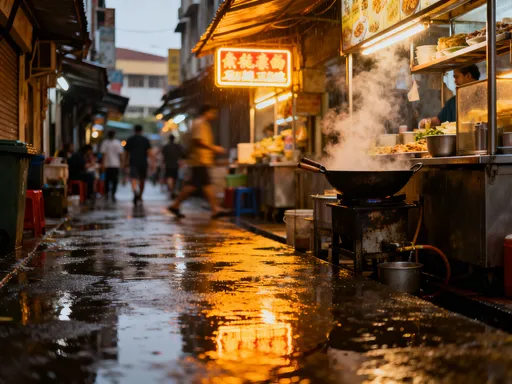
First-time visitors often remark on the quiet rhythm of commerce on Koh Chang. There are no pushy touts or crowded night bazaars lined with identical trinkets. Instead, markets operate at a slower pace, often opening in the late afternoon or on weekends when locals gather. The Klong Plu Market, for example, comes alive on Friday evenings with the scent of grilled seafood, the hum of conversation, and rows of stalls displaying handmade goods. This isn’t tourism for show—it’s daily life, gently shared with those who take the time to notice. The lack of commercial saturation allows authenticity to thrive, making every interaction feel personal and every purchase meaningful.
Where Nature Meets Craft: The Heart of Local Markets
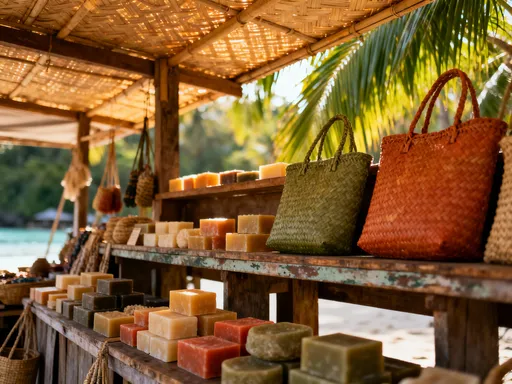
The soul of Koh Chang’s shopping culture lives in its local markets, where craftsmanship and conservation intersect. The Klong Plu Weekend Market is a prime example—a vibrant yet unassuming gathering of farmers, artisans, and home-based producers. Here, the emphasis is on utility and tradition. Woven bags made from recycled fishing nets sit beside coconut shell spoons, and hand-stamped batik textiles drape over wooden racks. These aren’t imported novelties; they’re functional items born from generations of island living. Many vendors use materials sourced directly from their surroundings—bamboo from nearby groves, seashells collected post-storm, or discarded glass repurposed into decorative tiles.
Sensory details define the market experience. The air carries the citrusy tang of lemongrass candles, hand-poured by a local woman who learned the craft from her mother. Near her stall, wind chimes made from bamboo and reclaimed metal tinkle softly in the breeze, their tones warm and irregular, like nature’s own music. A young couple sells natural soaps infused with turmeric, tamarind, and local honey—ingredients they grow or gather themselves. Each product tells a story of resourcefulness and care, shaped by the island’s ecological constraints and cultural heritage.
What stands out is the absence of waste. Unlike tourist zones where packaging overwhelms products, here, items are often wrapped in banana leaves, cloth, or recycled paper tied with twine. Vendors take pride in minimizing their footprint, knowing that the health of the island directly affects their livelihoods. A fisherman by day might sell hand-carved wooden crabs in the evening—each one sanded smooth and painted with non-toxic dyes. These aren’t mass-produced souvenirs; they’re labors of love, made slowly and sold thoughtfully. The market isn’t just a place to shop—it’s a living showcase of how creativity flourishes within ecological boundaries.
Why Eco-Conscious Shopping Matters Here
Koh Chang’s protected status isn’t just a legal designation—it’s a lifeline for its ecosystems. The island hosts mangrove forests that serve as nurseries for fish, coral reefs teeming with marine life, and wildlife corridors that support species like the endangered slow loris and wild pigs. Tourism, if unmanaged, can threaten these systems through pollution, overdevelopment, and unsustainable resource extraction. This is why every shopping choice on the island carries weight. When visitors buy from local artisans, they support families who depend on a healthy environment and are more likely to protect it.
Many vendors have formal or informal partnerships with conservation initiatives. Some donate a portion of their sales to reef restoration projects, while others collaborate with national park rangers to educate tourists about marine protection. A soap maker might use only plant-based ingredients to prevent chemical runoff into waterways. A weaver might source dyes exclusively from local plants to avoid industrial pollutants. These small decisions add up, creating a retail ecosystem that aligns with the island’s environmental goals. Buying a handmade item isn’t a passive act—it’s a vote for sustainability.
The connection between commerce and conservation is especially clear in the marine environment. Koh Chang’s coral reefs have suffered from bleaching and anchor damage in the past, prompting community-led efforts to restore them. Some dive shops and beachfront vendors now fund coral propagation programs, using a percentage of sales to grow new coral fragments. When tourists purchase a bracelet made from recycled ocean plastic, they’re not just getting a keepsake—they’re contributing to cleaner seas. This model demonstrates that tourism can be restorative rather than extractive, and shopping can be a force for good when guided by ethical principles.
Off-the-Beaten-Path Finds: Hidden Stalls You Gotta Check Out
Beyond the main markets, Koh Chang’s most rewarding shopping experiences lie in its quiet corners. Near the entrance to Khao Saming Wildlife Sanctuary, a small family-run booth operates from a wooden hut shaded by banana trees. Here, an elderly couple sells hand-painted notebooks featuring sea turtles, hawksbill and green, their shells rendered in delicate ink strokes. The paper is handmade from recycled fibers, and the covers are bound with coconut fiber thread. They don’t advertise—their stall is unmarked, discovered only by those who wander slowly and pay attention.
Along the quieter stretches of Lonely Beach, artisans set up temporary stands at low tide. One woman crafts jewelry from upcycled glass bottles, melting and shaping the glass into smooth, ocean-colored pendants. She works in silence, her hands moving with practiced ease, and rarely speaks unless asked. Her pieces are simple but striking—each one unique, shaped by fire and sea. She sells them for just enough to cover materials and time, refusing to inflate prices for tourists. Her work is a quiet protest against disposable culture, a reminder that beauty can emerge from what others discard.
In Bai Lan, a secluded bay on the island’s west coast, a herbalist sells natural mosquito repellent made from citronella, lemongrass, and kaffir lime—plants she grows in her backyard. The mixture is stored in reused glass jars with hand-written labels. She explains that the formula has been used in her family for generations, passed down from her grandmother. There’s no branding, no marketing—just a woman offering something useful, made with care. These hidden stalls aren’t designed for mass appeal. They exist because people want to share their skills, not because they’re chasing profit. Visiting them requires patience and curiosity, but the rewards are genuine connections and one-of-a-kind finds.
What to Buy (And What to Skip) for a Guilt-Free Experience
To shop responsibly on Koh Chang, it helps to know what to seek—and what to avoid. Prioritize items made from natural, renewable, or recycled materials. Look for products that serve a purpose: reusable shopping bags, bamboo utensils, organic soaps, or handwoven textiles. These not only make thoughtful souvenirs but also align with the island’s low-waste ethos. Whenever possible, choose goods that reflect local traditions, such as batik fabric patterns or wood carvings inspired by Thai folklore. These items carry cultural significance and support the preservation of artisanal skills.
Equally important is knowing what not to buy. Avoid any product made from coral, seashells, or endangered wood—even if it’s sold in good faith. Harvesting these materials is illegal within the national park and damages fragile ecosystems. Coral reefs take decades to grow and are vital habitats for marine life. Removing even a small piece disrupts the balance. Similarly, products made from rare hardwoods like Siamese rosewood contribute to deforestation and are often linked to illegal logging. While some vendors may not realize the harm, informed travelers have a responsibility to refuse such items.
A simple way to ensure ethical choices is to ask questions. “Where did this come from?” or “Who made it?” can open meaningful conversations and reveal the story behind a product. Many artisans are happy to explain their process, especially when they sense genuine interest. This not only builds trust but also deepens the value of the purchase. When you know the hands that shaped an object, it becomes more than a souvenir—it becomes a connection. By choosing thoughtfully, visitors help sustain a system where commerce supports conservation, not compromise.
How to Shop Like a Local, Not a Tourist
Shopping on Koh Chang becomes richer when approached with respect and curiosity. Carrying a reusable bag is a small but powerful gesture—it signals awareness and aligns with local values. Bargaining, if done, should be gentle and fair. Unlike in some tourist hubs, prices here are often already low, reflecting the cost of materials and time rather than inflated margins. A smile and a polite “aroi mak” (very delicious) or “sawasdee” (hello) go a long way. Learning a few basic Thai phrases shows effort and fosters goodwill, often leading to warmer interactions and unexpected invitations—perhaps to see how a basket is woven or to sample homemade coconut jam.
Timing matters. Visiting markets in the early morning or on weekdays allows for quieter, more personal exchanges. Vendors are more relaxed, and there’s time to chat. Many sellers are farmers, fishers, or homemakers who create crafts during off-hours. Their work is not their only identity—it’s an extension of their lives. Recognizing this shifts the dynamic from transaction to relationship. Instead of rushing through a list, take time to observe, listen, and appreciate. Ask about the materials, the process, the meaning behind a design. These moments of connection transform shopping from consumption into cultural exchange.
To deepen the experience, pair market visits with community-based activities. Some homestays offer tours of local farms or weaving cooperatives, giving insight into how goods are made from start to finish. Others organize beach cleanups where visitors collect plastic waste that artisans later repurpose into art. These activities create a fuller understanding of the island’s values and the challenges it faces. When you later buy a bag made from recycled nets, you don’t just see the product—you see the effort behind it. This mindful approach fosters gratitude and responsibility, turning a simple purchase into a meaningful act.
Beyond Souvenirs: Taking the Island’s Spirit Home
Mindful shopping on Koh Chang offers more than mementos—it offers transformation. A hand-carved spoon, a batik scarf, a jar of herbal balm—these items carry the essence of a place where nature and community are inseparable. They remind us that travel isn’t just about seeing new places, but about learning from them. When we choose to support sustainable, local commerce, we participate in a larger story of balance and resilience. We become part of a network that values preservation over profit, connection over convenience.
The island’s spirit isn’t something you can package and ship. It’s in the quiet dedication of a woman stirring a pot of natural dye, in the careful stitching of a fisherman’s wife weaving reeds into a basket, in the shared silence between a traveler and an artisan who nods in quiet understanding. These moments linger long after the journey ends. They shape how we see the world and how we move through it. Koh Chang teaches that protection and livelihood don’t have to be at odds—that with care and intention, they can grow together.
As travelers, we have the power to shape the destinations we love. By choosing to shop with awareness, we support places where conservation and culture thrive side by side. We carry home not just objects, but values—simplicity, respect, stewardship. And when we bring those values to our next journey, we help create a world where every destination can be as vibrant, as protected, and as full of quiet wonder as Koh Chang. The next time you shop while traveling, ask yourself: not just what you’re buying, but what you’re supporting. The answer might just change the way you see the world.