You Won’t Believe These Hidden Districts in Kuala Lumpur
Kuala Lumpur isn’t just about the Petronas Towers or crowded malls. I dove into its lesser-known districts and found soul, color, and surprises around every corner. From street art alleys to local food havens, each neighborhood tells a different story. If you’re tired of cookie-cutter tours, this city’s real magic lies in its diverse urban pockets. Let me take you through the authentic, vibrant, and often overlooked heart of Malaysia’s capital—where culture, flavor, and energy collide in the best way possible.
Discovering KL’s Urban Soul Beyond the Skyline
Kuala Lumpur is often introduced through its glittering skyline and world-class shopping centers, but the city’s true essence lies far beneath the surface of postcard views. It is a city shaped by layers of history—colonial rule, waves of migration, and rapid modernization—that have left behind a rich mosaic of cultures, cuisines, and communities. Each district in KL carries its own rhythm, language, and flavor, forming a patchwork of identities that coexist in surprising harmony. To experience Kuala Lumpur fully is to step beyond the air-conditioned comfort of tourist zones and embrace the pulse of its streets, markets, and neighborhoods where daily life unfolds with authenticity and warmth.
What makes these districts so compelling is their ability to preserve tradition while adapting to contemporary life. A temple stands quietly beside a modern café, a century-old market thrives next to a new transit hub, and street art transforms forgotten alleyways into open-air galleries. These contrasts are not clashes—they are part of KL’s charm. For travelers seeking more than photo ops and souvenir stalls, the city offers a deeper journey: one of connection, discovery, and sensory immersion. Exploring these areas allows visitors to witness how Malaysians from various backgrounds live, eat, worship, and celebrate side by side.
Moreover, venturing into these neighborhoods supports local economies and fosters meaningful cultural exchange. When you eat at a family-run stall, browse handmade crafts in a community market, or chat with a shopkeeper in a quiet enclave, you’re engaging with the city on human terms. This kind of travel rewards curiosity and respect, offering insights no guidebook can fully capture. The districts of Kuala Lumpur invite you not just to observe, but to participate—even if only for a meal, a conversation, or a slow walk down a tree-lined street.
Chinatown (Petaling Street): Chaos with Charm
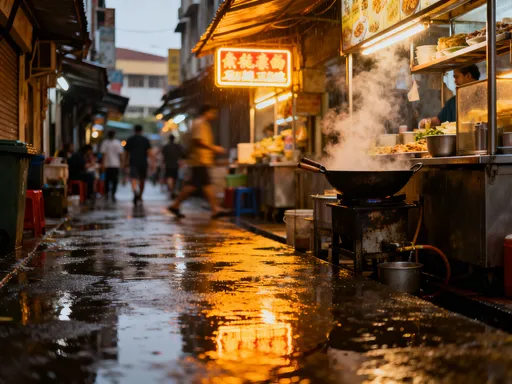
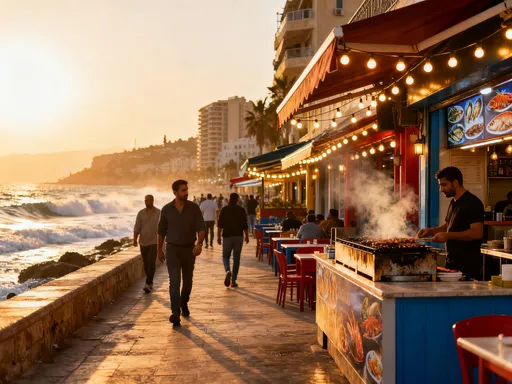
No visit to Kuala Lumpur’s hidden districts is complete without stepping into the vibrant chaos of Chinatown, centered around Petaling Street. By day, it’s a maze of covered walkways lined with vendors selling everything from handbags to phone accessories. By night, the street transforms into an open-air food paradise, lit by neon signs and the glow of sizzling woks. The air hums with energy—vendors call out deals, motorbikes weave through pedestrians, and the scent of soy sauce, garlic, and roasted meats fills the alleyways. It’s overwhelming at first, but within the bustle lies a kind of joyful disorder that feels alive and uniquely KL.
Beyond the bargain shopping, Petaling Street is a culinary treasure trove. Local favorites like char kway teow—stir-fried flat rice noodles with egg, prawns, and bean sprouts—are cooked fresh on flaming grills, delivering smoky, savory bites that linger on the palate. Other must-try dishes include chee cheong fun (rice roll noodles with chili sauce), roasted duck, and steaming bowls of wonton noodles. For dessert, look for stalls serving tong sui (sweet Chinese soups) or freshly made egg tarts with flaky crusts and creamy centers. Many of these eateries have been run by the same families for generations, passing down recipes and techniques with quiet pride.
To make the most of your visit, timing is key. Arriving in the late afternoon allows you to see the market in full swing and transition smoothly into the night food scene. Early mornings offer a rare glimpse of Chinatown’s quieter side, with elderly residents doing tai chi in nearby parks and tea houses opening their doors for dim sum. To avoid feeling overwhelmed, focus on one block at a time and don’t hesitate to step into side alleys—some of the best street art and hidden eateries are tucked away from the main drag. And while haggling is expected at souvenir stalls, always do so with a smile; it’s part of the local etiquette and often leads to friendly banter.
Bangsar: The Hip, Lived-In Side of KL
If Petaling Street is the city’s pulse, Bangsar is its relaxed exhale—a leafy, cosmopolitan neighborhood that feels worlds away from KL’s downtown rush. Popular with young professionals, expatriates, and creative types, Bangsar offers a more residential, lived-in experience of the city. Tree-lined streets, colonial-era bungalows converted into cafés, and boutique stores give the area a European village charm, yet it remains distinctly Malaysian in flavor and pace. This is a place where you can sip slow-brew coffee, browse independent bookshops, and enjoy brunch on a shaded patio without the pressure of ticking off tourist boxes.
Café culture thrives in Bangsar, with well-known spots like Village Grocer Café and Revolver Coffee drawing locals for their quality brews and artisanal pastries. These aren’t just places to grab a drink—they’re community hubs where friends meet, freelancers work, and ideas are exchanged. The attention to detail, from single-origin beans to house-made almond milk, reflects a growing appreciation for mindful consumption in KL. Beyond coffee, Bangsar boasts a strong food scene, with restaurants offering everything from modern Malaysian fusion to Mediterranean small plates. Weekend brunches are particularly popular, often featuring bottomless mimosas and live acoustic music in garden settings.
What sets Bangsar apart is its balance of comfort and sophistication. Unlike the high-energy nightlife of Bukit Bintang, this district favors quiet evenings, neighborhood strolls, and cultural events at local galleries or performance spaces. It’s also home to several independent bookstores and concept shops that sell handmade goods, vintage clothing, and design-forward home items. For travelers seeking a slower pace, Bangsar offers a chance to experience KL as a place where people live, not just visit. Staying in or near the area—even for a night or two—can provide a refreshing contrast to the sensory overload of the city center.
Brickfields: KL’s Little India Experience
Just a short walk from KL Sentral lies Brickfields, a neighborhood that bursts with color, sound, and fragrance—a true celebration of South Asian culture in the heart of the city. Known as KL’s Little India, this district is anchored by Jalan Tun Sambanthan, a vibrant street lined with sari shops, gold jewelry stores, and spice merchants whose stalls overflow with turmeric, cumin, and cardamom. The scent of incense and frying sambar lingers in the air, mingling with the rhythmic beats of Tamil music playing from open-front shops. Every visit feels like stepping into a different world, one rich with tradition, devotion, and culinary delight.
At the heart of Brickfields stands the Sri Maha Mariamman Temple, Kuala Lumpur’s oldest Hindu temple, its ornate gopuram (tower) painted in bright hues and adorned with deities. Visitors are welcome to observe ceremonies from the courtyard, especially during festivals like Deepavali, Thaipusam, and Pongal, when the district comes alive with processions, music, and elaborate decorations. Even on ordinary days, the temple exudes a sense of peace and reverence, offering a quiet counterpoint to the surrounding bustle.
Food is central to the Brickfields experience. Banana-leaf meals—steaming servings of rice, dhal, vegetables, and curries eaten with the right hand—are served in casual eateries and enjoyed by locals and visitors alike. Don’t miss the fresh dosas, crispy on the edges and soft in the center, or the sweet, milky teh tarik (pulled tea) that’s poured dramatically from one cup to another to create a frothy top. Many restaurants here have been operating for decades, their recipes unchanged and their kitchens run by families who take pride in authentic flavors. Visiting during Deepavali is especially magical, when the streets are lit with oil lamps, homes are decorated with kolam (colorful floor art), and free food is offered to passersby as an act of community generosity.
Kampung Baru: Tradition Amidst the Towers
Minutes from the Petronas Towers, nestled between skyscrapers and highways, lies Kampung Baru—a traditional Malay village that feels like a time capsule in the middle of a modern metropolis. Wooden houses on stilts, many painted in pastel shades, line quiet dirt roads shaded by coconut and banana trees. Roosters crow in the mornings, and the scent of grilled chicken satay drifts from backyard kitchens. This is one of the last remaining Malay enclaves in central KL, established in 1900 as a protected agricultural area for ethnic Malays, and it remains a symbol of cultural preservation in a rapidly changing city.
Walking through Kampung Baru is a lesson in contrast. On one side, glass towers reflect the sun; on the other, families gather on verandas, sharing meals of nasi lemak—coconut rice served with anchovies, peanuts, cucumber, and spicy sambal. Small warungs (eateries) offer traditional dishes like rendang, ayam percik, and kuih-muih (colorful steamed cakes). These humble spots are where locals come for comfort food made the way their mothers and grandmothers did. Some homes even operate as homestays or dining experiences, allowing visitors to enjoy a meal in a family setting and learn about Malay customs firsthand.
Because Kampung Baru is a residential area, visitors are encouraged to be respectful and mindful. Dress modestly, avoid loud conversations, and ask permission before taking photographs of people or homes. This is not a tourist attraction but a living community, and its residents take pride in maintaining their heritage. By visiting with sensitivity, travelers can gain a deeper appreciation for Malay culture and the importance of preserving identity in an urban landscape. Kampung Baru reminds us that progress does not have to mean erasure—that tradition and modernity can coexist, even if uneasily, in the same cityscape.
Trec and SetiaWalk: Unexpected Nightlife & Lifestyle Zones
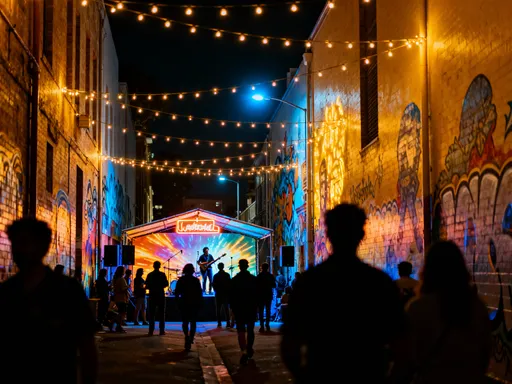
For those looking to experience KL’s nightlife beyond the high-end clubs of Bukit Bintang, TREC (The Row) and SetiaWalk in Presint 8 offer refreshing alternatives—lively, open-air hubs where locals gather for food, drinks, and music without the pretense. TREC, located near KL Sentral, is a converted row of colonial-era buildings transformed into a dining and entertainment complex. Its courtyard setting, strung with fairy lights and shaded by trees, creates an intimate atmosphere perfect for evening strolls and casual meetups. Restaurants here serve a diverse mix of cuisines, from Malaysian street food to Italian and Japanese, while rooftop bars offer panoramic views of the city skyline.
SetiaWalk, in the Putrajaya vicinity, takes a similar approach but with a more suburban flair. This pedestrian-friendly strip features fountains, green spaces, and alfresco dining options that attract families, couples, and groups of friends. Live music performances on weekends add to the festive vibe, and themed food markets often pop up, showcasing regional specialties and craft beverages. Unlike the crowded, loud clubs downtown, these spaces prioritize comfort and conversation, making them ideal for travelers who want to unwind with a drink and a good meal in a relaxed setting.
Both areas are easily accessible by public transport or ride-hailing apps, and they tend to be safer and more family-friendly than traditional nightlife districts. They also reflect a growing trend in KL: the desire for lifestyle spaces that blend leisure, dining, and community. Whether you’re enjoying a craft cocktail at a TREC bar or sampling durian pancakes at a SetiaWalk night market, you’re participating in a newer, more inclusive version of KL’s social scene—one that values experience over extravagance and connection over spectacle.
How to Navigate KL’s Districts Like a Local
Exploring Kuala Lumpur’s diverse districts is easier than it might seem, thanks to a reliable public transit system and widespread use of ride-hailing apps. The LRT and MRT networks connect most key neighborhoods, including Chinatown (via Pasar Seni), Brickfields (KL Sentral), and Bangsar (Bangsar and Abdullah Hukum stations). Trains are clean, air-conditioned, and run frequently, making them ideal for avoiding traffic and the tropical heat. For areas not directly served by rail, apps like Grab and AirAsia Ride offer convenient, affordable rides with English-speaking drivers who often know the best routes and shortcuts.
Walking is another excellent way to discover KL, especially between adjacent districts. For example, you can easily walk from KL Sentral to Brickfields in under ten minutes, or from Bukit Bintang to TREC in about 15. Many downtown areas are linked by covered pedestrian walkways and skybridges, providing shade and protection from sudden rain showers. Comfortable shoes, a lightweight umbrella, and a refillable water bottle are essential companions for any urban explorer. Staying hydrated is crucial, as KL’s humidity can be draining, especially during midday.
To maximize your time, consider grouping nearby districts into single-day itineraries. A morning in Chinatown followed by lunch in Brickfields and an evening at TREC makes for a rich, varied day. Alternatively, spend a full afternoon in Bangsar, then head to SetiaWalk for dinner and live music. Always check weather forecasts and plan indoor activities during peak heat or monsoon season. Most importantly, allow room for spontaneity—some of KL’s best experiences happen when you wander down an unmarked alley, follow the scent of spices, or accept a friendly local’s recommendation. Traveling like a local means embracing the unexpected with openness and respect.
Conclusion
Kuala Lumpur is more than a city of towers and transit hubs—it is a living, breathing tapestry of cultures, flavors, and stories waiting to be discovered. While the Petronas Towers and shopping malls have their place, the soul of the city beats strongest in its neighborhoods, where tradition meets innovation and daily life unfolds in vibrant detail. From the aromatic lanes of Brickfields to the quiet charm of Kampung Baru, from the creative energy of Bangsar to the festive spirit of Chinatown, each district offers a unique window into what makes KL truly special.
By stepping beyond the obvious and exploring these hidden pockets, travelers gain not just memories, but a deeper understanding of Malaysia’s multicultural identity. These are not just places to visit—they are communities to respect, support, and engage with. So the next time you find yourself in Kuala Lumpur, resist the urge to follow the crowd. Instead, wander down a side street, strike up a conversation, and let the city reveal itself one neighborhood at a time. In doing so, you’ll experience the real KL—dynamic, diverse, and full of heart.