You Won’t Believe What I Ate in Debrecen
Debrecen, Hungary, isn’t just a stopover—it’s a flavor adventure. I went looking for culture and stumbled into a food scene that blew my expectations. From smoky sausages to sweet, flaky pastries, every bite told a story. This is real, unfiltered dining—humble spots with huge taste. If you think Hungarian food is just goulash, trust me, you’re in for a shock. The city doesn’t parade its culinary pride; it shares it quietly, in steam rising from open kitchen windows, in the nod of an elder vendor handing you a warm paper cone of fried dough. This is food rooted in seasons, family, and centuries of quiet resilience. What I discovered was not just taste, but belonging.
First Impressions: Stepping into Debrecen’s Rhythmic Charm
Debrecen greets the visitor with a kind of understated dignity. Wide boulevards lined with linden trees stretch beneath a skyline anchored by the Reformed Great Church, its twin towers standing like sentinels over a city that remembers its past without being trapped by it. Unlike the grandeur and constant motion of Budapest, Debrecen moves at a different rhythm—one shaped by university life, local markets, and the unhurried pace of daily rituals. There’s no rush to impress. Instead, the city reveals itself gradually, often through the senses. For me, it was smell that first pulled me in: the warm, earthy scent of paprika, the char of grilling meat, and the faint sweetness of baking dough drifting through the air near the Great Church Square.
Walking through the city center, I noticed how life unfolds outdoors. In the mornings, elderly couples sip coffee at sidewalk tables, reading newspapers with practiced focus. Students hurry between lectures, backpacks slung low, sometimes stopping for a quick bite at a street cart. The architecture, a blend of Austro-Hungarian elegance and postwar practicality, doesn’t shout for attention. But it shelters something more valuable: authenticity. This isn’t a city staged for visitors. People live here, work here, eat here—and their meals are not performances but essential parts of the day. I soon learned that in Debrecen, food isn’t merely fuel. It’s connection, memory, and identity all served on a plate.
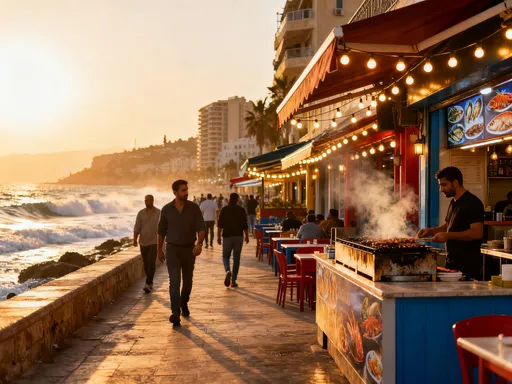
One of my first discoveries was the subtle yet powerful presence of food in public spaces. Near the Reformed College, a small open-air market sets up every morning. Vendors arrange baskets of onions, bright red peppers, and jars of homemade pickles with quiet pride. A man grills sausages over charcoal, the smoke curling into the crisp morning air. Passersby pause, exchange a few words, and walk away with a paper-wrapped bundle. There’s no pressure, no performance—just food, shared simply. It was in this moment I realized that Debrecen’s charm isn’t in grand gestures but in these small, repeated acts of nourishment. The city doesn’t need to sell itself. It simply offers, and those willing to look closely will find something deeply satisfying.
The Heartbeat of Hungarian Flavors: Local Markets and Street Bites
If Debrecen has a culinary soul, it pulses strongest in the Great Market Hall. More than just a place to buy food, this bustling indoor market is a living archive of regional taste. Open since the early 20th century, the hall remains a hub for locals, especially in the mornings when farmers and artisans bring their freshest goods. The air inside is thick with the scent of smoked meats, ripe cheese, and the sharp tang of vinegar from pickled vegetables. Wooden stalls display rows of sausages—csabai, debreceni kolbász, and winter salami—each with its own texture and spice blend. Vendors stand behind their counters, often wearing aprons stained with years of use, ready to offer a slice for tasting.
My first real taste of Debrecen came here, at a small counter near the back entrance. The vendor handed me a piece of warm, freshly grilled sausage, still sizzling from the flat-top grill. The casing cracked between my teeth, releasing a rich, smoky flavor laced with paprika. It was simple, unpretentious, and utterly unforgettable. Beside me, a local woman bought a pound of cheese and chatted with the vendor about her grandchildren. This wasn’t a transaction—it was a continuation of a relationship built over years. I realized then that eating in Debrecen is not just about flavor. It’s about participation in a community where food is a shared language.
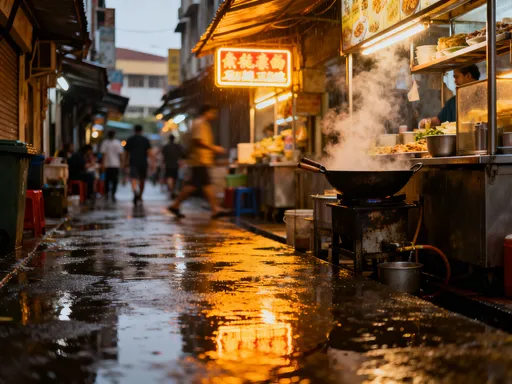
One of the most beloved street foods I encountered was langos. A staple at markets and festivals, this deep-fried flatbread is typically topped with sour cream, grated cheese, and garlic. I tried mine at a small stand near the market, where the cook slapped the dough onto the hot griddle with practiced ease. The result was golden, puffy, and crisp at the edges. The first bite was a contrast of textures—airy dough, cool cream, and sharp garlic—that somehow balanced perfectly. While often labeled as indulgent, langos is more than a snack. It’s a symbol of celebration, often sold at fairs and outdoor events, bringing people together over a shared love of comfort food.
Another surprise was the presence of kebab, a nod to Hungary’s Ottoman history. In a city known for its hearty, paprika-rich dishes, the sight of a kebab cart might seem out of place. But in Debrecen, it fits naturally. The version I tried was made with spiced minced meat, grilled and served in flatbread with fresh vegetables and a yogurt-based sauce. It wasn’t flashy, but the flavors were bold and well-balanced. What struck me was how locals—especially students and workers on lunch break—routinely lined up for it. This wasn’t a tourist gimmick. It was part of the city’s evolving food identity, where tradition welcomes influence without losing its core. Eating it on a bench in the sun, I felt not like a visitor, but like someone briefly welcomed into the rhythm of daily life.
Beyond Goulash: Rediscovering Hungarian Cuisine in Hidden Eateries
While goulash is Hungary’s most famous export, it’s only a small part of the story. In Debrecen, I discovered that the true depth of Hungarian cuisine lies in its lesser-known dishes, often found in small, family-run restaurants tucked away from main streets. One evening, guided by a local’s quiet recommendation, I found myself in a narrow alley behind the university district. The place had no sign, just a dimly lit doorway leading to a cozy dining room with checkered tablecloths and a chalkboard menu written in Hungarian. The air smelled of onions, paprika, and something rich and creamy simmering in the kitchen.
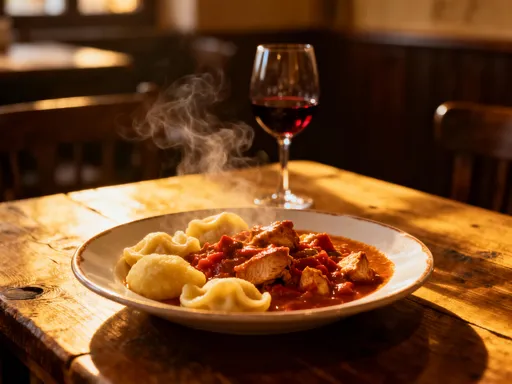
I ordered paprikás csirke, a traditional stew made with chicken, onions, and a generous amount of paprika, thickened with a roux and finished with sour cream. It arrived with a side of nokedli—small, soft dumplings similar to German spätzle. The first spoonful was revelatory. The sauce was velvety, deeply flavored but not heavy, with a warmth that built slowly. The chicken was tender, and the dumplings soaked up the sauce perfectly. This wasn’t just a meal. It was comfort, care, and tradition served with quiet confidence. The owner, a woman in her sixties, came by to check on me. When I complimented the dish, she smiled and said simply, “My mother taught me. This is how we eat at home.”
Another night, I tried túrós csusza, a baked pasta dish that’s a staple in Hungarian home cooking. Found in a small tavern near the city park, it was served in a ceramic dish straight from the oven. Layers of thin egg noodles were mixed with túró, a fresh farmer’s cheese, and topped with crispy fried onions and bacon. The contrast of textures—creamy, chewy, crunchy—was delightful. It was rich but not overwhelming, the kind of dish that feels both indulgent and familiar. What made it special wasn’t just the taste, but the setting. The room was full of locals, some eating alone, others in family groups. There was no background music, just the hum of conversation and the clink of cutlery. It felt like stepping into someone’s kitchen, even if just for an hour.
These hidden eateries share a common trait: they’re not trying to impress. There’s no curated aesthetic, no English menu with photos, no attempt to explain Hungarian culture to foreigners. Instead, they operate on trust—trust that the food will speak for itself, and that those who seek it out will appreciate it for what it is. For a traveler, this can feel like a quiet honor. To eat in these places is to be accepted, however briefly, into a world where food is not a product, but a practice. Each dish carries the weight of memory, of family Sunday dinners, of seasonal rhythms, of generations passing down recipes not in cookbooks, but through doing.
Fine Dining with a Local Twist: When Tradition Meets Innovation
While Debrecen is known for its traditional fare, it also harbors a quiet culinary evolution. One evening, I visited a modern bistro near City Park, a place that manages to honor Hungarian roots while embracing contemporary techniques. The restaurant was small, with minimalist decor and an open kitchen where the chef moved with calm precision. The menu was bilingual, a rarity in the city, and featured seasonal ingredients sourced from nearby farms. This wasn’t fusion for spectacle. It was refinement with respect.
I started with a dish of pickled vegetables, but not as I’d seen them before. Instead of being served in a jar, they were arranged like a garden on the plate—carrots, beets, and cucumbers in varying shades of pink and gold, lightly fermented and garnished with dill flowers. The acidity was bright, the textures crisp. It was a familiar flavor, reimagined with care. The main course was duck breast, cooked to a perfect medium-rare, served with a plum reduction and smoked potato puree. The duck was tender, the plum sauce sweet and tart in balance, and the puree carried a whisper of woodsmoke that tied it all together. It was a dish that felt both new and deeply Hungarian, drawing on the country’s love of game, fruit preserves, and earthy flavors.
What stood out most was the wine pairing. The sommelier, a young woman with an easy smile, recommended a red from the Eger region, known for its spicy, full-bodied blends. She explained how the cooler climate there brings out structure and acidity, making the wines ideal for rich dishes. As I sipped, I realized how often Hungarian wines are overlooked abroad. Yet here, they were treated with the reverence they deserve. The meal concluded with a light dessert—quark mousse with forest berries and a hint of lavender—elegant without being fussy.
This kind of dining experience shows that Hungarian cuisine is not frozen in time. It’s alive, adapting, and gaining confidence. The chef, trained in Budapest and Vienna, spoke of wanting to “show Hungary’s flavors in a new light, not replace them.” That balance—between innovation and tradition—is what makes Debrecen’s food scene so compelling. It doesn’t reject the past. It builds on it. For travelers, this means more than just good meals. It means witnessing a culture in conversation with itself, where every dish can be both a memory and a discovery.
Sweet Endings: Debrecen’s Underrated Dessert Culture
No meal in Debrecen feels complete without something sweet. And while Hungary is famous for desserts like dobos torte and rétes, the city has its own quieter specialties—ones that don’t demand attention but linger in the mind. One of the most memorable was debreceni kifli, a crescent-shaped pastry that’s a local favorite. I first tried it at a small bakery near the Reformed College, where the owner pulled a tray from the oven just as I walked in. The kifli was still warm, the layers flaky and delicate. I chose the walnut version, and the filling was rich but not cloying, with a slight bitterness that balanced the buttery dough. Unlike many pastries, it didn’t leave me feeling heavy. Instead, it was satisfying in a quiet, lasting way.
Another dessert that surprised me was gesztenyepüré, a chestnut cream served in a tall glass, dusted with cocoa powder. Found in a café near the university, it looked simple but tasted extraordinary. The chestnut puree was smooth, almost mousse-like, with a natural sweetness and a hint of vanilla. The cocoa added a slight bitterness, grounding the dish. It was served cold, making it refreshing even in the late summer heat. I later learned that chestnuts have long been a part of Hungarian foraging tradition, especially in rural areas. To eat this dessert was to taste a piece of that heritage—a seasonal treat, made from ingredients gathered in the autumn woods.
What I appreciated most about Debrecen’s dessert culture was its restraint. These sweets aren’t overloaded with sugar or artificial flavors. They rely on quality ingredients and careful preparation. Even the coffee served with them feels special—strong, dark, and meant to be sipped slowly. In a world where desserts often aim to dazzle, Debrecen’s approach is refreshingly humble. It’s not about spectacle. It’s about savoring. Each bite feels intentional, a small celebration of craftsmanship and seasonality. For a visitor, it’s a reminder that pleasure doesn’t have to be loud to be meaningful.
Practical Tips: How to Eat Like a Local in Debrecen
To truly experience Debrecen’s food culture, it helps to follow a few simple guidelines. First, go beyond the city center. While the main square and market hall are must-visits, some of the best meals are found in residential neighborhoods, where family-run spots cater to regulars. Look for places with handwritten signs, steam fogging the windows, and a mix of ages at the tables. These are usually good signs.
Timing matters. Hungarians tend to eat lunch between 12:00 and 2:00 PM, and this is when the heartiest dishes are served. Many smaller restaurants don’t open for dinner or have limited menus in the evening. Going during lunch gives you access to the full range of traditional meals. Also, cash is still preferred in many smaller establishments. While larger restaurants accept cards, it’s wise to carry some forints for market stalls and street vendors.
Don’t overlook the café at the Aquaticum Thermal Bath. After a relaxing soak, I stopped by for a simple meal of soup and a sandwich. The setting—large windows overlooking the pool—was peaceful, and the food was hot, fresh, and comforting. It’s a perfect example of how food is woven into daily life, even in unexpected places. And when you raise a glass, remember to say “egészségedre” (pronounced “egesh-shay-geh-dreh”), the Hungarian toast that literally means “to your health.” It’s a small gesture, but locals appreciate the effort.
Finally, visit in spring or early autumn. These seasons bring the freshest produce—new potatoes, wild greens, early fruits—and outdoor markets in full swing. The weather is mild, making it ideal for walking from one eatery to the next. It’s also when food festivals take place, offering a chance to sample regional specialties in one place. Whether you’re trying a new pastry or sipping local wine, these months offer the most vibrant taste of Debrecen’s culinary life.
Why Debrecen’s Dining Scene Deserves More Attention
Debrecen does not advertise itself loudly. It has no grand monuments like Budapest’s Parliament, no international fame like Lake Balaton. But in its quiet way, it offers something rare: authenticity without performance. Its food scene is not curated for Instagram or designed to impress. It exists because people here care about eating well, about preserving tradition, and about sharing meals that matter. Every bite I took felt like an invitation—to slow down, to savor, to connect.
In a world where travel often means ticking off landmarks and chasing viral experiences, Debrecen reminds us that the most meaningful moments can be simple. A piece of grilled sausage from a market stall. A bowl of stew in a no-name restaurant. A warm pastry from a neighborhood bakery. These are not grand gestures, but they carry weight. They speak of continuity, of pride, of a culture that values nourishment in every sense of the word.
What stays with me most is not just the taste, but the feeling. In Debrecen, I was not a tourist passing through. I was, for a few meals, someone welcomed into the rhythm of daily life. The flavors were rich, yes, but the warmth was deeper. This city doesn’t need to shout. Its food speaks for itself. And if you’re willing to listen—with your palate and your heart—you’ll discover a side of Hungary that’s real, resilient, and unforgettable.