You Won’t Believe These Hidden Wildlands Near Salamanca
I never expected to find such untouched beauty just beyond the ancient streets of Salamanca. While most visitors soak in the plazas and cathedrals, I ventured into the protected natural zones hiding in plain sight—vast dehesas, silent mountain trails, and rivers wrapped in oak forests. These landscapes aren’t just scenic; they’re carefully preserved ecosystems. What makes them so special? And why are travelers starting to whisper about them online? Let me take you where the wild things still thrive.
The Unexpected Wild Side of a Historic City
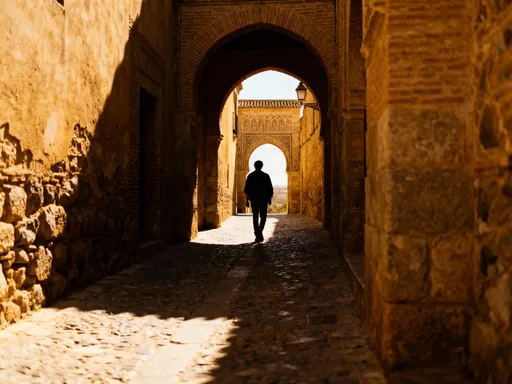
Salamanca, renowned for its golden sandstone architecture and UNESCO World Heritage status, is often celebrated as a jewel of Renaissance Spain. Its Plaza Mayor glows at sunset, and the University of Salamanca stands as one of Europe’s oldest centers of learning. Yet beyond the city’s scholarly charm lies a lesser-known truth: Salamanca is also a gateway to some of western Spain’s most pristine natural landscapes. Just a short drive from the city center, the rhythm of academic life gives way to the whisper of wind through oak trees and the distant call of birds of prey circling above rugged hills.
What surprises many visitors is how seamlessly culture and wilderness coexist here. Within an hour’s reach are vast protected areas where biodiversity flourishes and human presence remains respectful and restrained. The Sierra de Francia mountain range rises to the south, its peaks cloaked in Mediterranean forest. To the west, the Arribes del Duero Natural Park carves a dramatic border along the Duero River, where cliffs plunge hundreds of feet into churning waters. These are not remote, inaccessible regions—they are part of everyday life for locals and increasingly sought after by travelers who seek both intellectual enrichment and natural serenity.
This growing interest reflects a broader shift in travel trends. More people, especially those in their 30s to 50s, are looking for experiences that balance history with healing. They want to wander cobbled streets in the morning and hike through quiet woodlands by afternoon. Salamanca offers exactly that—a rare convergence of deep cultural roots and wild, open spaces. It’s no longer enough to simply see a city; modern travelers want to feel connected, grounded, and rejuvenated. And for those willing to look beyond the postcard views, Salamanca delivers that sense of connection in abundance.
What Are Protected Areas and Why They Matter Here
In Spain, protected areas serve as vital sanctuaries for nature, safeguarding landscapes and species under frameworks like national parks, natural parks, and the European Union’s Natura 2000 network. These designations aren’t just bureaucratic labels—they represent real commitments to conservation, limiting development, regulating tourism, and supporting ecological restoration. In the region surrounding Salamanca, this protection is especially crucial. Western Spain hosts one of Europe’s most distinctive ecosystems: the Mediterranean montane and woodland zones, where hot, dry summers meet mild winters and diverse plant and animal life has adapted over millennia.
The importance of these protections becomes clear when you consider what lives here. The Iberian wolf, a symbol of wild resilience, roams the more remote valleys, playing a key role in maintaining balanced prey populations. Though rarely seen, its presence is felt in the careful grazing patterns of deer and the alertness of local shepherds. The black stork, a rare and majestic bird, nests in secluded cliffs and feeds in clean, slow-moving rivers—its survival dependent on undisturbed habitats. Roe deer, wild boar, and the elusive genet also call these forests home, forming a complex web of life that thrives because human activity is thoughtfully managed.
Equally important are the plant communities that define the region’s character. Holm oaks form dense canopies, while juniper and rockrose cling to rocky slopes, stabilizing soil and providing shelter. These plants are not merely scenic—they are the foundation of an entire ecosystem. They prevent erosion, filter water, and support pollinators essential to both wild and agricultural systems. By preserving these areas, Spain protects not only beauty but function: clean air, healthy watersheds, and climate resilience. For the traveler, this means visiting places that are not just visually stunning but ecologically alive—places where nature still operates on its own terms.
Sierra de Francia: Mountains That Breathe History and Nature
One of the most accessible and enchanting protected zones near Salamanca is the Sierra de Francia, a mountain range that forms part of the larger Sistema Central. Rising to over 1,700 meters, this range offers a striking blend of natural grandeur and cultural heritage. The air is cooler here, scented with pine and wild thyme, and the trails wind through ancient woodlands and past stone villages that seem untouched by time. Among them, La Alberca stands out—a beautifully preserved village with slate roofs and wooden balconies, recognized as a Conjunto Histórico for its architectural and historical significance.
Hiking is the best way to experience the Sierra de Francia, and the region offers trails for all levels. The Ruta del Pico de las Nieves leads adventurous walkers to the highest peak, where panoramic views stretch across Castile and León. For a gentler experience, the path from La Alberca to Peña de los Hierros follows a crystal-clear stream, passing waterfalls and moss-covered boulders. In spring, the hills bloom with red broom and white asphodel; in autumn, the chestnut groves turn golden, their fallen leaves crunching underfoot. Each season offers a different mood, a different invitation to slow down and listen.
Wildlife is abundant, though often hidden. Early risers might spot roe deer grazing at dawn or hear the guttural cry of wild boar in the underbrush. Griffon vultures soar on thermal currents above the ridges, their wingspans impressive against the sky. Birdwatchers may catch sight of the short-toed snake eagle or the Eurasian woodcock in damp forest clearings. The flora is equally captivating—evergreen oaks, yew trees, and rare orchids thrive in the shade. What makes the Sierra de Francia so special is not just its beauty, but its balance: nature and tradition exist side by side, each enhancing the other.
Access to the Sierra de Francia is straightforward. From Salamanca, the N-630 road leads south toward Ciudad Rodrigo, with turnoffs to La Alberca and other trailheads clearly marked. Parking is available in village centers, and local tourist offices provide updated maps and trail conditions. While summer brings warmth and long daylight hours, spring and autumn are ideal for hiking—cooler temperatures, fewer crowds, and peak natural displays. Visitors are encouraged to carry water, wear sturdy shoes, and check weather forecasts, as mountain conditions can change quickly. With preparation and respect, the Sierra de Francia offers a deeply rewarding escape into nature’s quiet heart.
Arribes del Duero: Where Cliffs Meet Wild Rivers
Few landscapes in Spain rival the drama of Arribes del Duero Natural Park. Located along the border with Portugal, this 100-kilometer stretch of canyon is carved by the Duero River as it cuts through red granite and schist, creating cliffs that rise over 300 meters in places. From above, the river snakes through the rock like a silver ribbon, flanked by terraced vineyards and dotted with olive groves. The scale is breathtaking, the silence profound. This is not a place of gentle beauty—it is raw, powerful, and humbling.
Visitors to Arribes del Duero are met with a landscape shaped by both water and time. The river’s relentless flow has exposed layers of geological history, while centuries of careful farming have created a mosaic of cultivated slopes and wild scrubland. The park is home to one of Spain’s most important populations of black storks, which nest in crevices high on the cliffs. Bonelli’s eagles and Egyptian vultures also patrol the skies, their sharp eyes scanning for movement below. Along the riverbanks, otters slip silently through the water, and kingfishers dart between overhanging branches.
To experience this landscape responsibly, the park offers a network of eco-trails and designated viewpoints, known as miradores. The Mirador de Peña Falcon, near the village of Vilvestre, provides one of the most spectacular panoramas, especially at sunrise when the light floods the canyon with warm gold. Another favorite is the Mirador de Tejado, accessible by a short walk from the road and offering a sweeping view of the river’s curve. These viewpoints allow visitors to appreciate the grandeur without disturbing sensitive habitats.
For a closer encounter, guided boat tours operate seasonally along the lower Duero. These low-impact excursions glide quietly through the narrowest sections of the canyon, offering perspectives impossible to see from land. Passengers learn about the region’s ecology, geology, and traditional fishing practices from local naturalists. Alternatively, scenic drives along the SR-122 and other regional roads connect small villages like Fermoselle and San Felices de los Gallegos, where travelers can pause for a meal of grilled river fish or a glass of local wine. The region is known for its unique microclimate, which supports the production of sweet, fortified wines—a quiet testament to how people have adapted to this rugged environment.
Because of its ecological sensitivity, Arribes del Duero enforces strict conservation rules. Off-trail hiking is discouraged, drones are prohibited, and camping is only allowed in designated areas. These measures ensure that the park remains a sanctuary for both wildlife and contemplative travelers. By following these guidelines, visitors contribute to the preservation of a landscape that feels increasingly rare in our modern world—one where nature still speaks in a loud, clear voice.
Dehesas: The Secret of Spain’s Sustainable Countryside
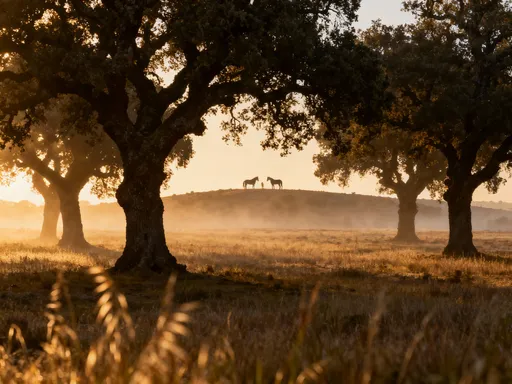
While mountains and canyons capture the imagination, the dehesas—the open, park-like woodlands that surround Salamanca—are perhaps the region’s most ecologically and culturally significant landscapes. These managed oak savannas, found across western Spain and eastern Portugal, are a testament to centuries of sustainable land use. Dominated by holm and cork oaks, the dehesas are lightly grazed by sheep, cattle, and the famous black Iberian pigs that roam freely, feeding on acorns during the montanera season. This traditional system supports both livelihoods and biodiversity, making the dehesa one of Europe’s most valuable agroecological models.
Walking or cycling through a dehesa is a uniquely peaceful experience. The trees are widely spaced, their gnarled branches forming a canopy that filters the sunlight. The ground is covered in grasses, wildflowers, and aromatic herbs like rosemary and thyme. In the distance, a shepherd might be moving his flock, guided by an old sheepdog. There are no fences, no noise—just space, silence, and a sense of timelessness. These landscapes are not wild in the untamed sense, but they are alive with subtle rhythms: the rustle of a rabbit in the underbrush, the call of a red-legged partridge, the hum of bees among blooming rockrose.
Ecologically, the dehesa is a haven for endangered species. The Iberian lynx, though still rare, has been spotted in nearby areas, and conservationists are working to expand its habitat. The black vulture, one of Europe’s largest raptors, nests in the taller oaks, while the imperial eagle soars overhead. Even the soil benefits from this balanced system—deep-rooted oaks prevent erosion, and the grazing animals help maintain open areas that support ground-nesting birds and pollinators. Unlike intensive agriculture, which depletes the land, the dehesa enriches it, creating a resilient ecosystem that has endured for generations.
For visitors, the dehesa offers a chance to experience rural Spain at its most authentic. Local cooperatives offer guided tours that explain the seasonal cycles of the land—from acorn harvesting to cork stripping, from lambing season to olive pressing. Some farms welcome guests for meals made with local products: acorn-fed ham, artisanal cheese, and honey from dehesa wildflowers. These experiences are not performances; they are invitations to understand a way of life that values patience, care, and harmony with nature. In a world that often feels rushed and disconnected, the dehesa reminds us of the beauty of simplicity and stewardship.
How to Visit Responsibly—Without Harming the Wild
As interest in Salamanca’s natural areas grows, so does the responsibility to protect them. The rise of eco-tourism brings welcome attention, but it also increases pressure on fragile ecosystems. The key to sustainable travel lies in mindful behavior—small choices that collectively make a big difference. Sticking to marked trails is one of the most important actions visitors can take. These paths are designed to minimize soil erosion, avoid disturbing wildlife, and protect sensitive plant communities. Venturing off-trail may seem harmless, but it can lead to trampling rare species, fragmenting habitats, or disturbing nesting animals.
Littering, even with biodegradable items like fruit peels, should be avoided. What seems natural can introduce non-native seeds or attract animals to human food sources, altering their behavior. All waste, including food scraps and packaging, should be carried out. Equally important is respecting wildlife. Observing animals from a distance, using binoculars or zoom lenses, allows them to remain undisturbed. Feeding wildlife, even with good intentions, can lead to dependency and health problems. Dogs, if brought along, should be kept on leashes to prevent chasing or stressing local fauna.
Supporting eco-certified guides and local tour operators ensures that tourism dollars benefit the community and fund conservation efforts. These professionals are trained in environmental ethics and often partner with regional parks to promote best practices. They provide valuable context—explaining the significance of a bird call, the history of a stone bridge, or the seasonal changes in the landscape—turning a simple walk into a meaningful experience.
Timing also matters. Visiting early in the morning not only offers the best light for photography but also reduces human impact during peak animal activity hours. Traveling in the shoulder seasons—spring and autumn—means fewer crowds, milder weather, and greater comfort on the trails. It also spreads tourism more evenly throughout the year, reducing strain during summer peaks. By choosing when and how to visit, travelers can enjoy these landscapes more deeply while helping to preserve them for future generations.
Why This Is Going Viral—And Why It Should
The quiet beauty of Salamanca’s wildlands is no longer a secret. Across social media and travel blogs, stories and images of the Sierra de Francia, Arribes del Duero, and the dehesas are gaining attention. What’s driving this surge? Part of it is the global longing for authenticity—a desire to move beyond crowded landmarks and curated experiences. People are searching for places that feel real, where nature sets the pace and silence is not an absence but a presence. These landscapes offer a form of digital detox, a chance to reconnect with the rhythms of the earth.
Another factor is the growing awareness of environmental issues. Travelers today are more informed and more concerned about sustainability. They want to know that their visits do no harm—and ideally, contribute to conservation. Salamanca’s protected areas exemplify how tourism and preservation can coexist. When shared responsibly, these stories inspire others to seek out similar experiences, to value wild spaces, and to advocate for their protection.
But popularity brings risk. If too many visitors arrive without awareness, even the most resilient ecosystems can suffer. That’s why the conversation must go beyond aesthetics. It’s not enough to say these places are beautiful; we must also say they are fragile, and that their survival depends on collective care. The viral attention should not be a call to overrun these landscapes, but a call to protect them.
For the women in their 30s to 50s who are often the planners, the nurturers, the keepers of family well-being, these wildlands offer something profound: a reminder that care extends beyond the home. To walk through a dehesa, to stand at a canyon’s edge, to hear the cry of a vulture overhead—is to remember that we are part of a larger story. These places are not just destinations; they are teachers. They teach patience, resilience, balance. And they deserve to be explored not as conquests, but as gifts—one that we must pass on, unchanged, to those who come after us.