You Won’t Believe These Hidden Natural Escapes in Chicago
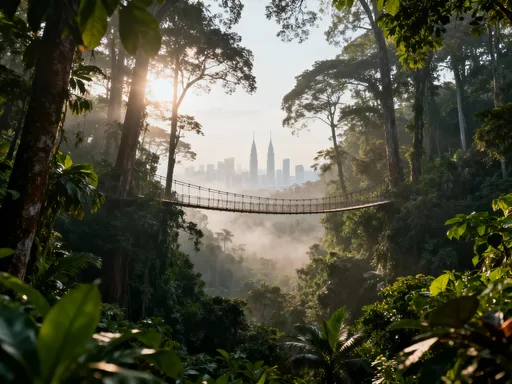
When you think of Chicago, skyscrapers and city vibes come to mind—right? But let me tell you, this city hides some seriously stunning natural escapes just minutes from downtown. I was blown away by how wild and peaceful these places feel, despite being so close to urban life. From serene prairies to hidden forest trails, Chicago’s green spaces are a breath of fresh air—literally. What many overlook is that beneath the hum of traffic and the rhythm of city living lies a network of protected wetlands, restored prairies, and forested corridors teeming with life. These are not just parks with manicured lawns, but living ecosystems where birds soar above native grasses and creeks wind through woodlands untouched by development. For families, nature lovers, or anyone craving a pause from the urban rush, Chicago offers a quiet revelation: nature isn’t something you have to travel hours to find. It’s already here, woven into the fabric of the city, waiting to be discovered.
Reimagining Chicago: More Than Just a Concrete Jungle
Chicago is often celebrated for its bold architecture, vibrant arts scene, and deep-dish pizza, but few realize the extent of its commitment to green space. While the skyline of the Loop and the bustle of Michigan Avenue dominate postcards, the city has quietly nurtured a remarkable collection of natural areas. Thanks to decades of urban planning and environmental stewardship, Chicago is home to over 8,800 acres of parkland managed by the Chicago Park District and hundreds more protected by Cook County’s Forest Preserves. This extensive network ensures that no resident lives more than 15 minutes from a park, and many of these spaces go far beyond baseball fields and playgrounds.
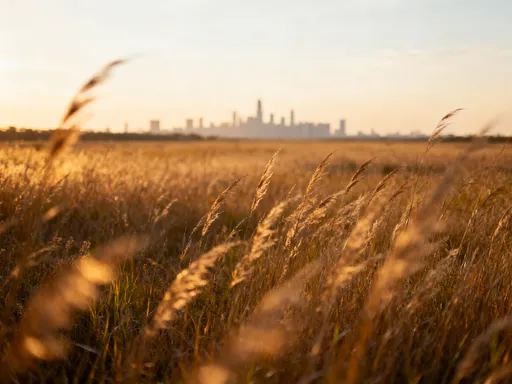
What sets Chicago apart is its integration of ecological restoration into urban life. Rather than simply setting aside land, city planners and conservationists have actively restored native habitats—prairies, savannas, and wetlands—that once flourished across the Midwest. These are not decorative plantings but functioning ecosystems that support pollinators, filter stormwater, and provide refuge for wildlife. The transformation of former industrial sites into thriving natural areas speaks to a vision that values balance between development and nature. For example, the Northerly Island park, once slated for high-rise development, now hosts a dynamic landscape of grasslands and lagoons that attract over 300 bird species annually.
The city’s green legacy dates back to the 19th century, when visionaries like Frederick Law Olmsted and Jens Jensen advocated for parks that mirrored natural Midwestern landscapes. Jensen, in particular, championed the idea of the “prairie school” of landscape design, using native plants and naturalistic forms to create spaces that felt wild yet accessible. Today, this philosophy lives on in places like the Big Marsh Park on the Southeast Side, where former slag heaps from steel mills have been transformed into a 276-acre outdoor recreation area with hiking trails, mountain biking paths, and restored wetlands. This reimagining of urban space proves that cities can be both dynamic and deeply connected to nature.
The Magic of the Lakefront: Where City Meets Nature
Stretching for 26 miles along the western shore of Lake Michigan, Chicago’s lakefront is one of the most remarkable urban natural corridors in the world. While parts of it are lined with museums, beaches, and bike paths, long stretches remain surprisingly wild. The lakefront functions as a migratory superhighway for birds, drawing species from across the continent during spring and fall migrations. One of the most celebrated spots is the Montrose Point Bird Sanctuary, affectionately known as “The Magic Hedge” among birdwatchers. This dense thicket of shrubs and trees acts as a rest stop for warblers, thrushes, and raptors, offering a front-row seat to one of nature’s great journeys.
Beyond birding, the lakefront offers a mosaic of natural experiences. Burnham Park, stretching south from McCormick Place, includes restored dunes and wetlands that buffer the city from storm surges while providing habitat for turtles, frogs, and native plants like blue flag iris and joe-pye weed. The 18.5-mile Lakefront Trail draws joggers, cyclists, and walkers who enjoy not only the breeze off the water but also views of egrets wading in marshes and monarch butterflies flitting through prairie patches. In the summer, the air hums with the sound of cicadas and bees, a reminder that even in the heart of the city, life thrives.
What makes the lakefront so special is its accessibility. Residents from all walks of life can reach these natural areas by public transit, bike, or foot. Families picnic near the water’s edge, retirees stroll along paved paths, and students from nearby universities come to study ecology in real time. The city’s commitment to maintaining this corridor—through initiatives like the Chicago Lakefront Plan—ensures that future generations will continue to enjoy a shoreline that balances recreation with conservation. For anyone seeking a moment of peace, the lakefront delivers: a place where the horizon meets water, the wind carries the scent of wild grass, and the city fades into the background.
Escape to the South: The Calumet Region’s Wild Side
While much of Chicago’s tourism focuses on the downtown and North Side, the Southeast Side and the neighboring Calumet region hold some of the city’s best-kept natural secrets. Once dominated by steel mills and heavy industry, this area has undergone a quiet ecological renaissance. The Calumet Ecological Corridor, a patchwork of restored wetlands, prairies, and woodlands, now stretches across more than 15,000 acres from Chicago into northwest Indiana. This transformation is the result of collaboration between nonprofits, government agencies, and community groups dedicated to healing the land and reconnecting people to nature.
One standout destination is the Little Calumet River, where kayaking and canoeing offer a unique perspective on urban wildlife. Paddlers glide past great blue herons, kingfishers, and even the occasional river otter, all within sight of smokestacks and railroad lines. The juxtaposition is striking—a reminder that nature can reclaim even the most altered landscapes. Hegewisch Marsh, located on the far South Side, is another hidden gem. Managed by the Forest Preserve District of Cook County, this 65-acre wetland provides critical habitat for migratory birds and serves as an outdoor classroom for local schools.
For hikers, the Old Calumet River Trail offers a scenic loop through restored prairie and oak savanna. In spring, the ground bursts with pasque flowers and prairie smoke; in fall, the compass plants stand tall against a backdrop of goldenrod and asters. Volunteers play a key role here, removing invasive species like buckthorn and garlic mustard to allow native plants to thrive. These efforts are not just about beautification—they improve air and water quality, reduce urban heat, and create green jobs. The Calumet region proves that environmental justice and ecological restoration can go hand in hand, offering healing for both the land and the communities that live nearby.
West Side Wilds: Exploring Forest Preserves Close to Town
Just a short drive or train ride from downtown, the Cook County Forest Preserves offer an expansive escape into woodlands, prairies, and river corridors. Covering nearly 70,000 acres, this system includes more than 300 sites, many of which are easily accessible from Chicago neighborhoods. For residents on the West and Northwest Sides, places like Deer Grove Forest Preserve and Salt Creek’s greenway provide a convenient retreat without requiring a full-day trip. These preserves are not just green buffers—they are living landscapes where white-tailed deer roam, beavers build dams, and wildflowers bloom in seasonal waves.
Deer Grove, located in River Grove near O’Hare Airport, is a prime example of how nature persists even in heavily developed areas. Despite its proximity to one of the busiest airports in the world, the preserve feels remote and quiet. A network of trails winds through mature oak woodlands and floodplain forests, where spring brings a carpet of trout lilies and trilliums. In winter, the frozen creek becomes a quiet corridor for fox tracks and deer paths. The preserve also features a restored prairie that supports monarch butterflies and native bees, demonstrating how small-scale restoration can have outsized ecological benefits.
Salt Creek, which flows from Cook County into the Des Plaines River, is another natural artery worth exploring. The Salt Creek Trail follows the waterway through woodlands and meadows, offering views of great blue herons, minks, and even the occasional bald eagle. Along the way, interpretive signs educate visitors about watershed health and the importance of riparian buffers. Public transit access has improved in recent years, with Metra stations and bus routes connecting to trailheads, making it easier for families without cars to enjoy these spaces. Whether you’re looking for a morning walk, a bike ride, or a place to teach children about nature, the west side forest preserves deliver.
Urban Prairies and Pocket Nature: Small but Mighty Green Spaces
Not all natural escapes require long hikes or distant destinations. Scattered throughout Chicago’s neighborhoods are small but powerful green spaces—urban prairies, pocket parks, and green alleys—that bring nature into everyday life. These areas may not make the cover of travel magazines, but they play a vital role in city ecology and community well-being. In Douglass Park on the West Side, for example, a restored 10-acre prairie blooms with coneflowers, blazing star, and milkweed, supporting pollinators and offering residents a peaceful place to walk or reflect. Unlike traditional lawns, these native plantings require less mowing, reduce runoff, and provide habitat for insects and birds.
Jackson Park, part of the historic South Side park system, contains quiet woodlands and lagoons that feel worlds away from city streets. Here, red-winged blackbirds call from cattails, and turtles sun themselves on logs. The park’s natural areas are carefully managed to prevent invasive species while allowing for passive recreation. Similarly, in neighborhoods like Logan Square and Pilsen, green alleys have been transformed with permeable pavement and native plantings to manage stormwater and create cooler microclimates. These small interventions may seem minor, but collectively, they help reduce flooding, lower temperatures, and improve air quality.
What makes these spaces so valuable is their accessibility. A mother walking her child to school might pause by a pollinator garden; a retiree might find solace in a quiet bench beneath a bur oak. These moments of connection matter. Studies show that access to green space reduces stress, improves mental health, and strengthens community bonds. By investing in these small-scale natural areas, Chicago is building a more resilient and equitable city—one neighborhood at a time.
Seasonal Shifts: Experiencing Nature’s Rhythms in Chicago
One of the most rewarding aspects of exploring Chicago’s natural spaces is witnessing how they change with the seasons. Each time of year brings its own magic, inviting repeat visits and deeper connection. In winter, when the city is blanketed in snow, places like the North Branch Trail or the Deer Grove Preserve become serene landscapes of frost and silence. Birdwatchers flock to spots like Montrose Harbor to see wintering species such as snow buntings, rough-legged hawks, and northern shovelers. The cold air sharpens the senses, and the sight of animal tracks in the snow tells stories of nocturnal life.
Spring arrives with a burst of color and sound. As temperatures rise, skunk cabbage pushes through the mud, followed by hepatica, bloodroot, and spring beauties. Woodlands echo with the songs of migrating warblers, and wetlands come alive with frog choruses. This is the season for careful observation—many wildflowers bloom quickly before the tree canopy closes, making early spring the best time to see them. Organizations like the Friends of the Chicago River also host clean-up events, allowing residents to give back while enjoying the season’s renewal.
Summer brings warmth and abundance. The lakefront trails are ideal for early morning runs, when the air is cool and dragonflies dart over the water. Prairies buzz with bees and butterflies, and evening walks might reveal fireflies blinking in the tall grass. Fall, perhaps the most dramatic season, transforms the forest preserves into a tapestry of red, orange, and gold. Sugar maples, hickories, and oaks put on a display that rivals any rural landscape. For photographers, hikers, and families, autumn is peak time to explore.
To make the most of each season, a few simple preparations help. Sturdy shoes, layered clothing, and a reusable water bottle are essentials. A field guide or birding app can deepen the experience, while a journal encourages mindfulness and reflection. By tuning into nature’s rhythms, visitors develop a deeper appreciation for the city’s ecological heartbeat.
How to Explore Responsibly: Leave No Trace in the City’s Wilds
As more people discover Chicago’s hidden natural escapes, it becomes even more important to visit with care. These spaces are fragile, shaped by years of restoration and stewardship. Practicing Leave No Trace principles ensures they remain healthy and welcoming for all. The first rule is to stay on designated trails. Venturing off-path can damage sensitive plants, compact soil, and disturb wildlife. Many of the city’s rarest species—like the regal fritillary butterfly or the Blanding’s turtle—depend on undisturbed habitats.
Another key practice is avoiding the spread of invasive species. Seeds from plants like garlic mustard or crown vetch can hitch a ride on shoes, clothing, or pet fur. Cleaning gear before and after visits helps prevent their spread. Similarly, never release pets into natural areas—dogs off-leash can chase wildlife and disrupt nesting birds. If you bring a pet, keep it leashed and under control at all times.
Littering, even something as small as a snack wrapper, harms wildlife and degrades the experience for others. Always pack out what you bring in. And while it may be tempting to pick flowers or collect rocks, these actions can have cumulative impacts. Instead, take photos, sketch, or simply pause to appreciate beauty in the moment.
Beyond personal habits, residents can become active stewards. Volunteering with groups like Openlands, Friends of the Parks, or the Forest Preserves offers hands-on ways to give back—whether removing invasives, planting natives, or leading nature walks. These efforts not only protect the land but also build community. By participating, visitors transform from passive observers into caretakers of Chicago’s wild places.
Chicago’s natural escapes are not just scenic backdrops—they are living, breathing parts of the city’s identity. They remind us that urban life and nature need not be at odds. With mindful exploration and collective care, these hidden gems will continue to thrive, offering peace, wonder, and connection for generations to come. So step off the sidewalk, follow the trail, and let the city’s wild heart surprise you.